How can teachers create a safe classroom environment that encourages students to express themselves?
Creating a Safe Space: How Encouragement Shapes Student Voice
Student voice doesn’t flourish in silence. It thrives in safety. In classrooms where students fear judgment, exclusion, or ridicule, their voices often stay quiet. But in environments where they feel seen, respected, and encouraged, students become confident communicators, thinkers, and collaborators.
Creating a safe space isn’t about eliminating challenge or conflict. It’s about fostering trust, empathy, and respect so students feel empowered to participate, question, and express who they are. Let’s learn how encouragement and intentional classroom design can cultivate a culture where student voice is not just allowed but expected and valued.
Why Psychological Safety Matters in the Classroom
Psychological safety refers to a learning environment where students:
Feel comfortable taking academic and social risks
Believe their contributions will be respected
Trust that mistakes are part of learning
Know they can be their authentic selves without fear of harm
When students feel safe, they are more likely to:
Engage in discussions
Ask for help
Share diverse perspectives
Try new things without fear of failure
Without psychological safety, participation decreases, and engagement suffers, especially for students who already feel marginalized.
What a Safe Classroom Looks Like and What It Doesn’t
Safe Space: Students freely ask and answer questions
Unsafe Space: Students avoid speaking or looking disengaged
Safe Space: Mistakes are treated as learning opportunities
Unsafe Space: Mistakes are mocked or ignored
Safe Space: Diverse opinions are welcomed and explored
Unsafe Space: Only certain perspectives dominate conversation
Safe Space: Encouragement is specific, consistent, and shared
Unsafe Space: Feedback is vague, critical, or one-sided
8 Strategies to Build a Safe Environment That Encourages Student Voice
1. Establish and Co-Create Community Norms
Invite students to help set the expectations for how people treat each other in the classroom.
Questions to ask:
How do we show respect during discussions?
What should we do when someone disagrees?
How do we respond when someone makes a mistake?
Post these norms visibly and revisit them often.
2. Model Vulnerability and Growth Mindset
Let students see you:
Make mistakes and recover
Reflect on your own learning
Ask questions you don’t know the answers to
This normalizes imperfection and builds emotional honesty.
3. Use Encouragement That Empowers
Go beyond generic praise (e.g. “good job”). Use encouragement that:
Recognizes effort and risk-taking
Points to specific strengths
Reinforces student agency
Examples:
“You made a bold choice in your writing. I appreciate that you took a risk.”
“Thanks for asking that question. It shows you're really thinking.”
4. Incorporate Identity and Choice
Create space for students to express who they are through:
Personal narratives
Art, music, or bilingual storytelling
Choice in topics or formats for assignments
Voice comes from identity. When students see their stories reflected, they speak louder and more confidently.
5. Use Protocols That Equalize Participation
These structures ensure that every voice is included, not just the loudest or most confident.
Think-Pair-Share
Turn-and-Talk
Talking Circles
Equity sticks or randomizers
6. Validate and Acknowledge All Contributions
Even if a student’s answer is incorrect or off-topic, respond with:
“I appreciate you sharing your thinking.”
“That’s an interesting idea - let’s explore it together.”
“Tell me more about how you got to that conclusion.”
This builds trust that all ideas are worth hearing.
7. Use Feedback as a Tool for Empowerment
Offer feedback that is:
Kind and specific
Centered on growth, not flaws
Paired with opportunities to revise or reflect
Teach students how to give feedback to one another respectfully - peer affirmation builds confidence.
8. Be Culturally Responsive
Acknowledge the diverse backgrounds in your classroom and use them as strengths.
Strategies:
Use inclusive materials
Invite multilingual expression
Recognize varied communication styles
Avoid assumptions about behavior or participation norms
Respect fuels safety. Representation fuels voice.
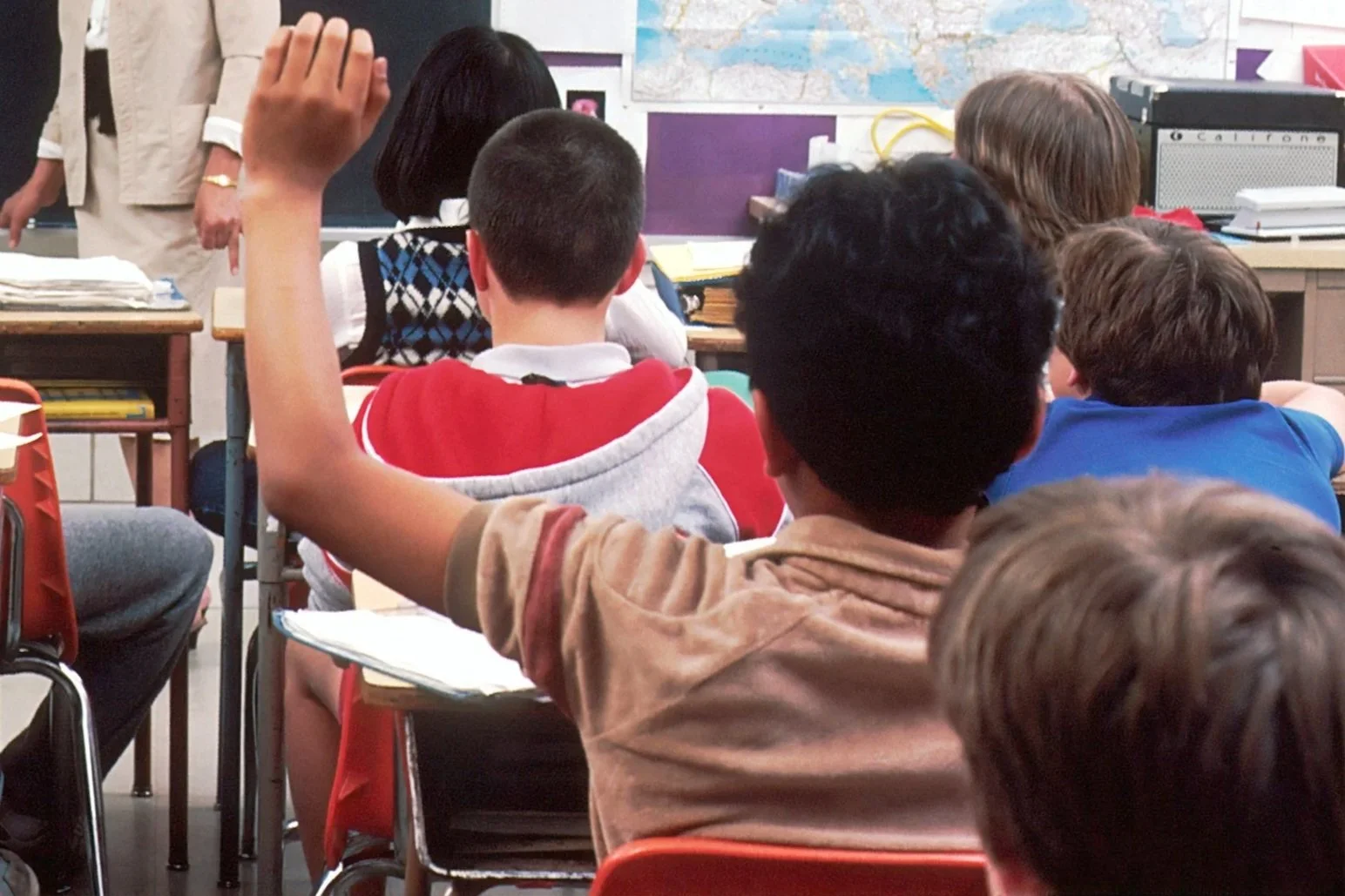
Students need to know that when they do speak, they’ll be heard with respect and encouragement.
Global Perspectives on Encouraging Student Voice
Building a safe and encouraging classroom isn’t just a local goal - it’s a global practice. Around the world, educators are finding unique ways to uplift student voices, often rooted in local culture and history. By exploring these international practices, we can see how encouragement and psychological safety take shape in diverse contexts and gather inspiration to enrich our own classrooms.
Australia: Embracing Yarning Circles
In Australia, especially in schools that honor Indigenous cultures, yarning circles are used as a way to promote equality and active listening. Everyone sits in a circle, and a talking piece is passed around to ensure each person’s perspective is heard without interruption. This structure teaches students to listen deeply, share vulnerably, and respect the time and space of others.
It’s a gentle but powerful way to show that every voice has a place and that silence isn’t always about not knowing what to say but about making space for everyone to be heard.
Brazil: Critical Dialogue and Social Justice
In Brazil, inspired by educator Paulo Freire, critical dialogue is woven into education. Teachers encourage students to question power structures, challenge assumptions, and reflect on their role in shaping society. This approach recognizes that psychological safety doesn’t just mean being comfortable, it also means having the courage to speak truth to power.
Through this lens, Brazilian classrooms become spaces where students see themselves as active participants in shaping their world, where their voice isn’t just accepted, but expected.
India: Stories as Pathways to Voice
In India, where schools serve students from diverse linguistic, cultural, and socioeconomic backgrounds, storytelling is a powerful tool for inclusion. Teachers often invite students to share personal or family stories in class, using them as bridges to connect academic learning with lived experience.
This practice does more than build confidence; it helps students find their voice in a multicultural context. By validating each student’s narrative, Indian educators show that every story has value, and that language barriers don’t have to silence expression.
Japan: Embracing the Collective Voice
In Japan, the concept of kizuna, the bonds that connect people, is central to creating safe, collaborative spaces. In classrooms, this translates to practices like hanashiai (discussion circles) where students take turns sharing opinions and listening respectfully. Rather than focusing solely on individual contributions, teachers encourage students to build on one another’s ideas, reinforcing that every voice is part of a collective effort.
This communal mindset reduces competition and promotes shared responsibility for learning. Teachers in Japan often use phrases like “Let’s think together” to invite collaboration, which can be especially helpful for quieter students who may feel hesitant to speak up alone.
New Zealand: The Power of Whakawhanaungatanga
In Māori culture, whakawhanaungatanga, the practice of building strong, respectful relationships, is key to unlocking student voice. In New Zealand classrooms, this is reflected in daily practices like karakia (short prayers or affirmations) and hui (meetings) that center around open dialogue. Students are encouraged to bring their whole selves to class, weaving cultural identity into the learning process.
By recognizing and valuing cultural heritage, New Zealand teachers show students that their voices matter beyond the curriculum; they’re part of a living community.
Sweden: Democratic Dialogue
In Sweden, democratic dialogue is a foundational pillar of education. Students are taught from an early age that their opinions have weight and that disagreement is a natural part of growth. Classrooms prioritize open-ended discussions and student-led inquiry, often using “dialogue boards” where students can post questions and reflections.
This approach helps to normalize healthy debate and encourages students to take ownership of their learning. By modeling curiosity and respect for different perspectives, teachers create a culture where every student’s voice is valued.
4 Lessons We Can All Apply
These global examples offer a rich tapestry of approaches, but they share core elements that can inspire any classroom:
Relationships First: Around the world, trust and respect are foundational. Whether it’s Sweden’s democratic dialogue or New Zealand’s emphasis on community, safe spaces start with human connection.
Cultural Relevance: In India and New Zealand, bringing cultural identity into the classroom strengthens student voice. Teachers can reflect on this by using materials, examples, and stories that affirm the diverse backgrounds of their students.
Shared Leadership: Practices like Japan’s hanashiai and Australia’s yarning circles show that students should have a hand in guiding discussions, not just responding to them. This builds agency and a sense of belonging.
Courageous Conversations: In Brazil, critical dialogue isn’t about being comfortable, it’s about being honest. Encouraging students to question and reflect, even when it’s challenging, is essential for true voice.
Bringing Global Practices Home
As educators, we don’t need to adopt these exact models to honor student voice, but we can learn from their spirit. Whether it’s by creating your own classroom “dialogue board,” inviting multilingual expression, or simply taking an extra moment to listen without interrupting, these small acts can transform the climate of your classroom.
By weaving these global perspectives into daily practice, we help students see that their voices are part of a bigger conversation, one that stretches across cultures and communities. When students understand that their thoughts matter not just here, but in the wider world, they’re more likely to share them. Because ultimately, a safe space is about showing students that their voices belong wherever they choose to go.
Voice Grows Where Safety Is Planted
Students need to know that when they do speak, they’ll be heard with respect and encouragement. A safe classroom is a vibrant space full of voices, questions, mistakes, laughter, and growth. When we build safe spaces, we protect students while amplifying their voices.
Looking for Ready-to-Use Resources?
If you found this article helpful, you may also enjoy the classroom toolkits, e-books, templates, and educator resources available in the Collective Learning Shop.