How do whole-child schools differ from traditional educational models?
A Closer Look at Whole-Child Schools
In many traditional classrooms, success is measured by test scores, attendance, and academic rigor. But what if the best measure of student success isn’t just what they know but who they are becoming? That’s the core difference between traditional schools and whole-child schools.
Whole-child education is not a curriculum, it’s a commitment. These schools build environments that honor the full humanity of every student. They focus on the why and how of learning just as much as the what. Let’s take a closer look at how these schools function, what sets them apart, and where the model is thriving around the world.
Key Differences Between Whole-Child and Traditional Schools
Focus
Traditional School Model: Academic performance and compliance
Whole-Child School Model: Balanced development of academic, emotional, social, and physical needs
Discipline
Traditional School Model: Rules-based, often punitive
Whole-Child School Model: Restorative, relational, proactive
Curriculum
Traditional School Model: Standardized, test-aligned
Whole-Child School Model: Flexible, culturally responsive, student-centered
Instruction
Traditional School Model: Teacher-directed
Whole-Child School Model: Learner-centered, inquiry-based
Support Services
Traditional School Model: Minimal or separate from learning
Whole-Child School Model: Integrated into school culture (health, SEL, counseling)
Assessment
Traditional School Model: Grades and test scores
Whole-Child School Model: Portfolios, observations, SEL growth, student self-reflection
Whole-child schools aim to create environments where students feel safe, seen, and supported, because that’s when learning truly sticks.
How Whole-Child Schools Operate Differently
Whole-child education isn’t an initiative. It’s a reimagining of school from the inside out. Here's how these schools function on a practical level:
1. Learning Is Personalized and Purposeful
Students have voice and choice in their learning.
Real-world projects connect content to community issues.
Individual growth is tracked across multiple domains, not just academics.
2. Social-Emotional Learning Is Woven In
SEL is embedded into lessons, not added on.
Students learn to identify emotions, resolve conflicts, and build empathy.
Daily check-ins, circles, or advisory programs foster belonging.
3. Wellness Is a Priority
Movement breaks, mindfulness, healthy meals, and access to mental health professionals are the norm.
Schools partner with community health services to support physical and emotional needs.
4. Discipline Centers on Repair and Growth
Instead of suspensions and detentions, schools use restorative conversations and conflict resolution.
Students learn from mistakes, repair relationships, and rebuild trust.
5. Family and Community Partnerships Are Active
Parents are partners in learning, not passive observers.
Local organizations support enrichment, mentorship, and career exposure.
Cultural celebrations and inclusive events reflect community diversity.
Global Examples of Whole-Child Education in Action
Whole-child learning isn’t limited to any one country. Around the world, schools are reimagining success through this lens.
Finland
Known for its student well-being focus, Finnish schools prioritize minimal homework, ample recess, and teacher autonomy.
Learning is personalized, collaborative, and stress-free, with emotional safety as a prerequisite for success.
New Zealand
The Te Whāriki early childhood curriculum emphasizes holistic development and bicultural identity.
It guides students in learning through relationships, exploration, and well-being.
India (Riverside School, Ahmedabad)
Riverside uses a Design for Change model, empowering students to lead real community projects.
Education is driven by empathy, agency, and impact, not exams alone.
United States (Anchorage School District, Alaska)
Implemented a whole-child framework that includes trauma-informed teaching, SEL integration, and family engagement.
The district measures success in terms of both academic growth and student wellness.
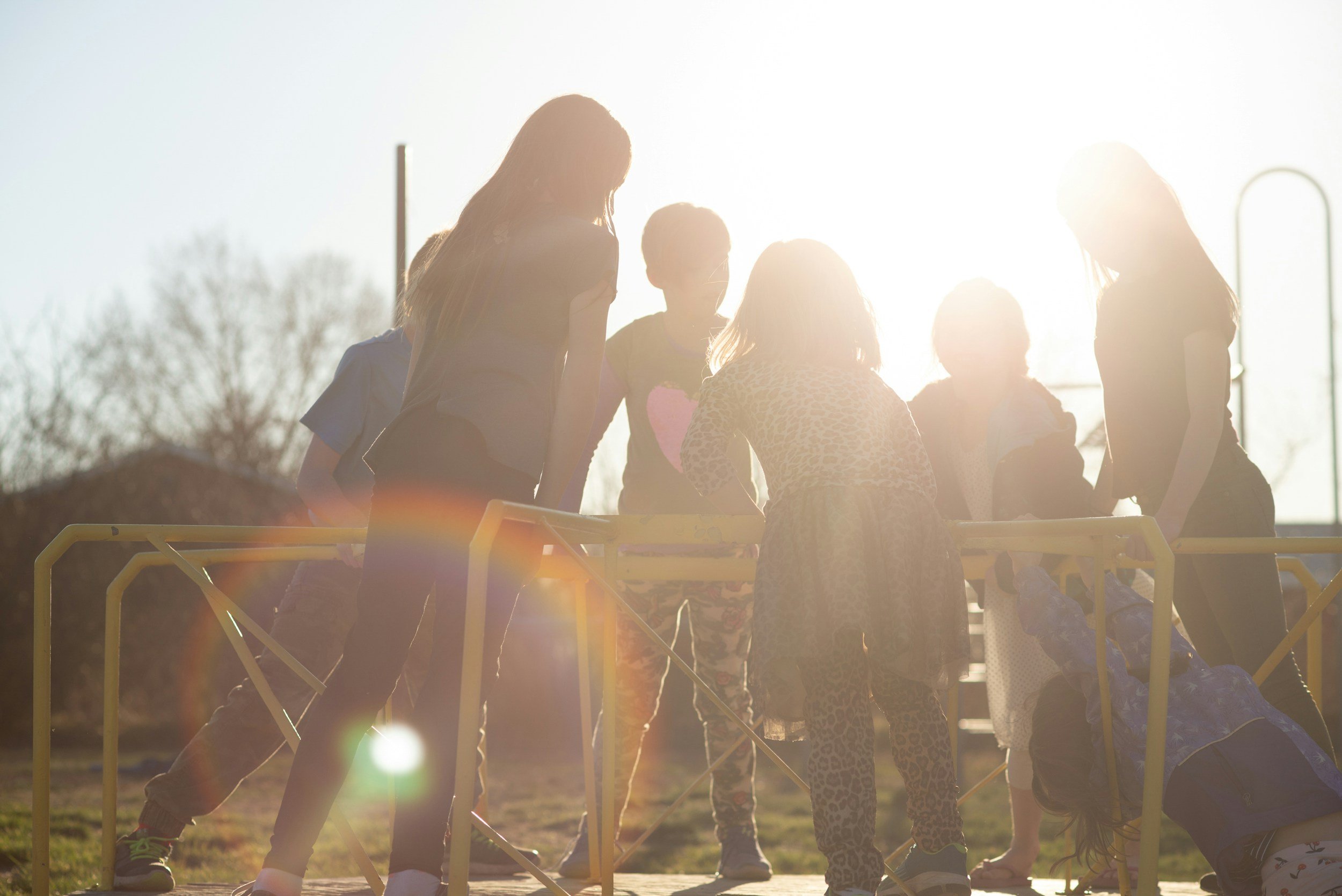
Whole-child education integrates academic learning with social, emotional, and physical well-being.
Why Whole-Child Schools Work
When schools create an ecosystem of care, the results speak for themselves. Research shows that students in whole-child environments:
Have higher academic achievement
Are more engaged and motivated
Show lower rates of anxiety and behavioral issues
Develop stronger communication and leadership skills
Are better prepared for careers and civic life
Challenges and Misconceptions
Even with clear benefits, whole-child implementation faces roadblocks:
Challenge: Lack of time, training, or funding
Solution: Start small, with classroom culture, family partnerships, or daily SEL rituals.
Challenge: Inconsistent implementation across classrooms or teams
Solution: Establish shared expectations, provide ongoing professional learning, and create systems for collaboration and accountability.
Misconception: It’s just about feelings, not academics
Reality: Holistic development supports academic achievement, not distracts from it.
Misconception: It’s too “soft” or idealistic
Reality: It builds the hard skills (resilience, collaboration, ethical thinking) students need to succeed in a complex world.
What Makes a School Truly “Whole-Child”?
It’s not about checking off a list, it’s about values in action. A whole-child school:
Prioritizes student well-being as much as academic mastery
Engages families and communities as learning partners
Trains staff to support emotional, physical, and cultural needs
Builds relationships as the foundation of learning
Measures success through multiple lenses, not just test scores
A More Complete Vision of Student Success
Whole-child schools expand the definition of student success beyond test scores and academic performance. They focus on developing the skills, mindsets, and habits students need to thrive both in and out of the classroom.
We want students who are:
Confident and compassionate
Curious and collaborative
Healthy and hopeful
In short, the goal is to support the development of the whole child, not just measure academic outcomes. Whole-child education creates the conditions for this by intentionally integrating academic learning with social, emotional, and physical well-being, helping students grow into capable, thoughtful, and resilient individuals.
Looking for Ready-to-Use Resources?
If you found this article helpful, you may also enjoy the classroom toolkits, e-books, templates, and educator resources available in the Collective Learning Shop.