
From the Blog
Fresh ideas, practical insights, and real-world strategies for K-12 education. From classroom practices to schoolwide trends, explore content designed to support teachers and school leaders.

What are ways to build a positive and inclusive classroom culture?
Uncover practical strategies to create a welcoming classroom atmosphere where every student feels respected, valued, and ready to thrive.
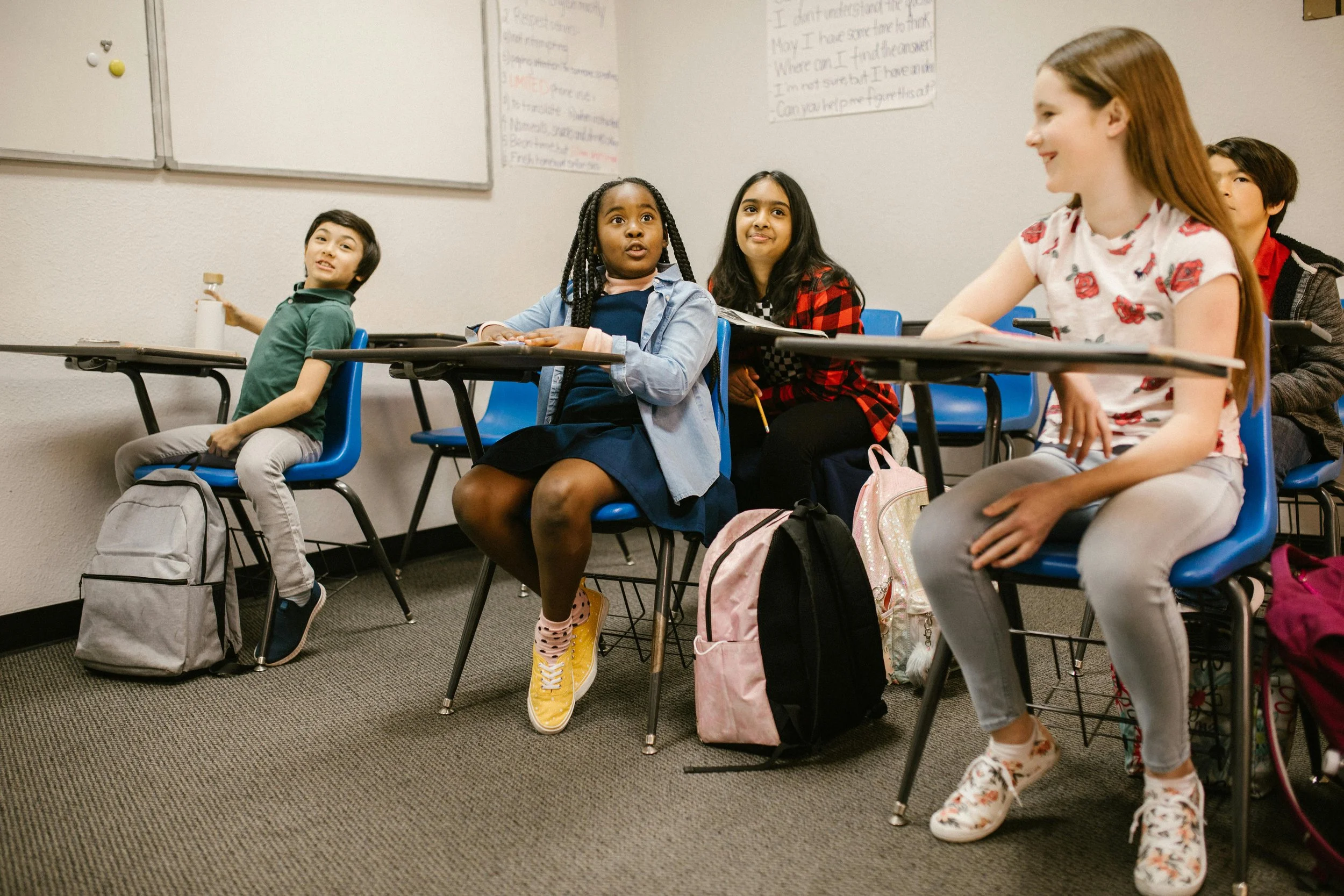
How does representation in educational materials impact student learning and engagement?
Understand how diverse representation in classroom materials boosts student engagement, affirms identity, and supports inclusive, equitable learning.
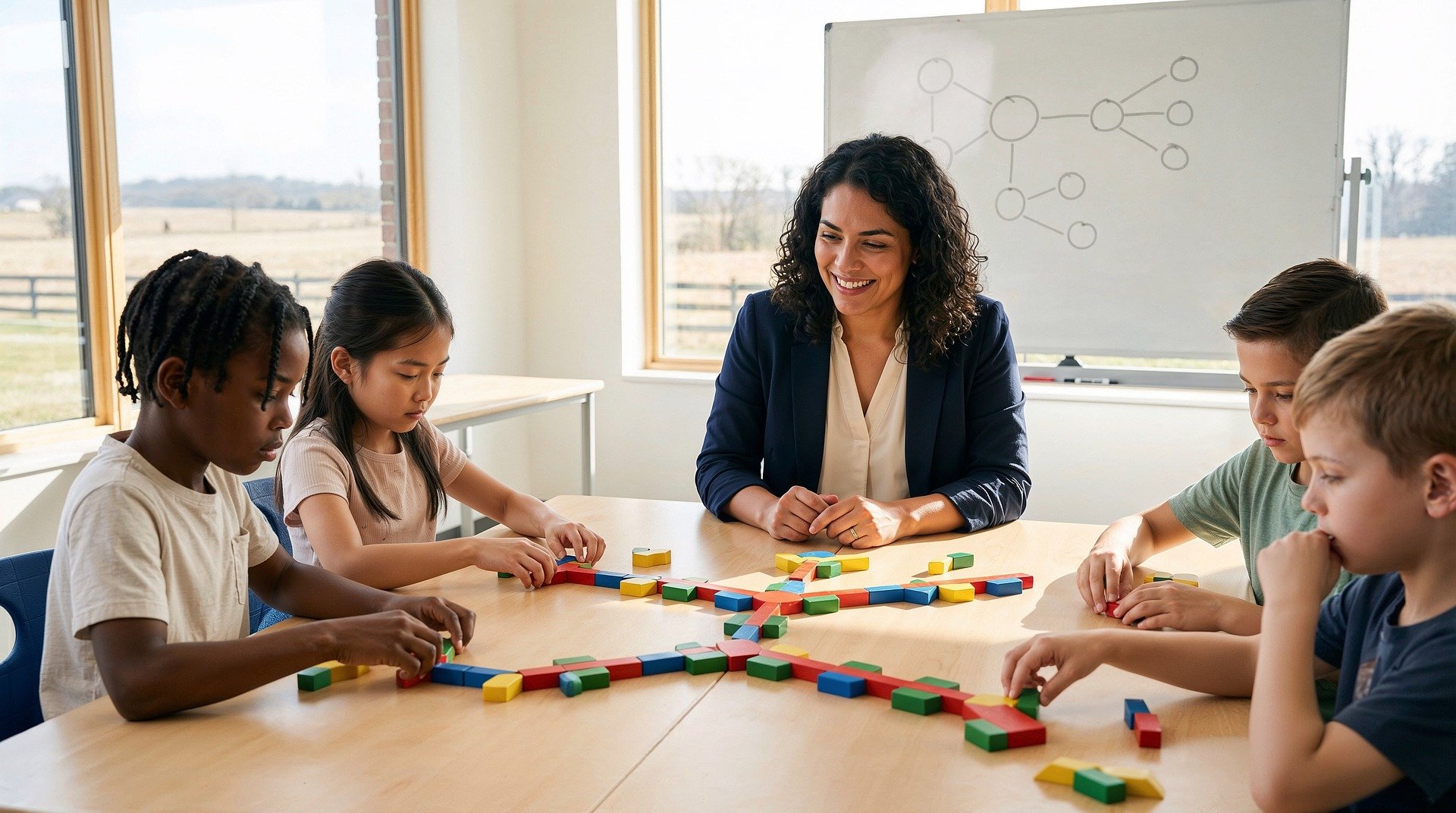
Why do inclusive teaching practices matter and how can teachers get started?
Learn practical strategies for creating inclusive classrooms that support diverse learners, encourage belonging, and promote equitable learning opportunities.
How can educators utilize data to promote equity in student learning outcomes?
Discover how educators can use data to identify gaps, inform instruction, and promote equitable outcomes for all students across demographics.
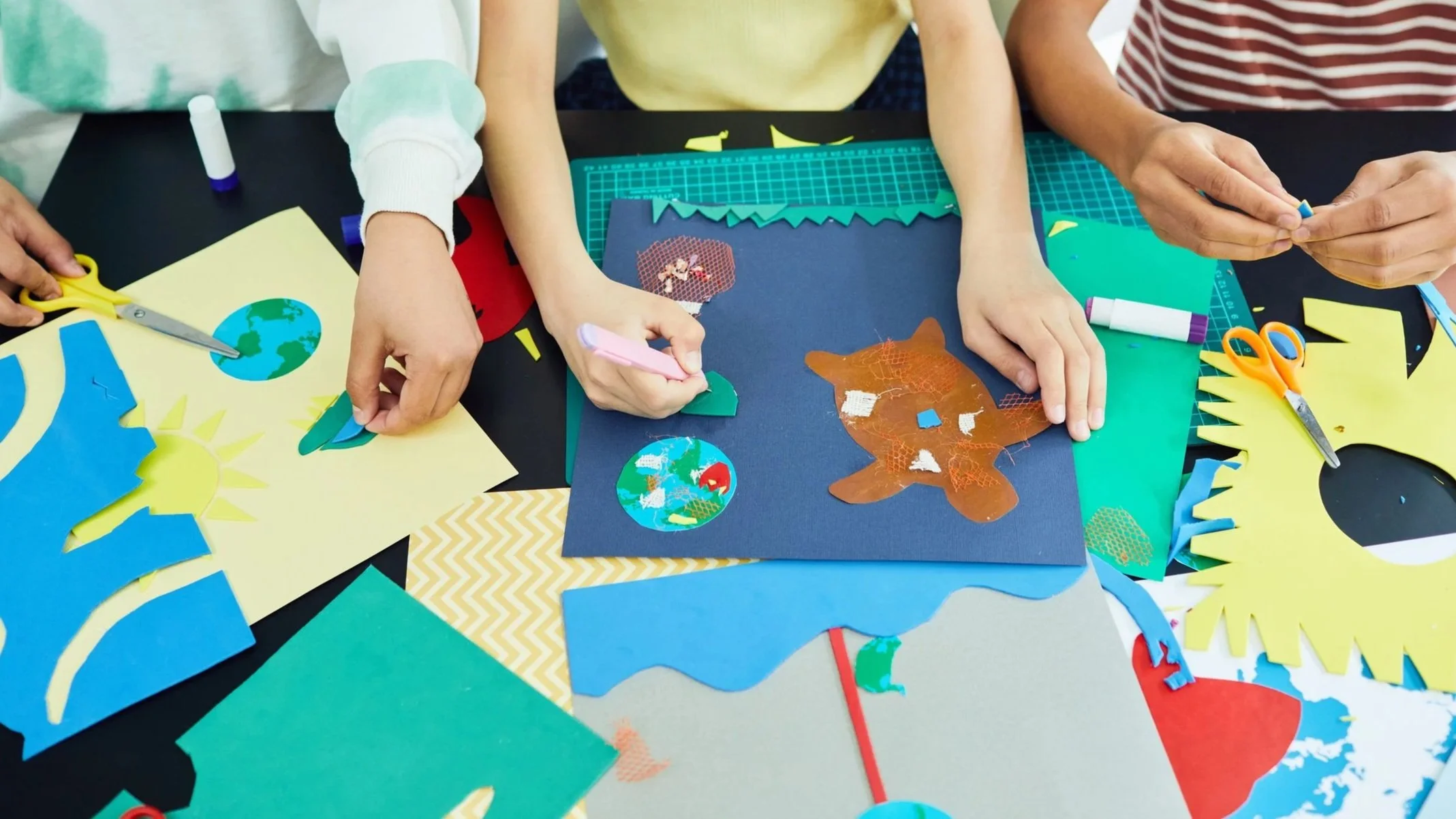
How can Universal Design for Learning be applied effectively in the classroom?
Find out how to apply Universal Design for Learning (UDL) in the classroom to support engagement, accessibility, and success for all students.
How does translanguaging benefit students in multilingual classrooms?
Learn how translanguaging supports multilingual learners by honoring all language skills, boosting comprehension, and fostering identity.
How can schools create environments where every student feels safe, respected, and supported?
Discover practical ways to build safe, inclusive classrooms through respectful practices, strong policies, and supportive environments for all students.
What is the difference between RTI and MTSS and how do they overlap in supporting students?
Understand the differences and overlap between RTI and MTSS and how both frameworks support academic, behavioral, and social-emotional growth.
How can teachers support gifted and exceptional students in the classroom?
Learn effective strategies to meet the needs of gifted and exceptional students through differentiation, enrichment, and individualized support.

What are best practices for creating inclusive instruction for English language learners?
Develop skills for creating inclusive, supportive instruction that helps English language learners thrive academically and socially.

What is the relationship between DEI and SEL in education?
Understand how Diversity, Equity, and Inclusion (DEI) and Social-Emotional Learning (SEL) work together to support safe, inclusive learning environments.

What are the legal obligations for implementing accommodations in the classroom?
Understand the legal and instructional requirements for implementing student accommodations to ensure equity, compliance, and effective support.

What instructional strategies best support newcomer English language learners?
Support newcomer English language learners with instructional strategies that promote language development, engagement, confidence, and classroom inclusion.
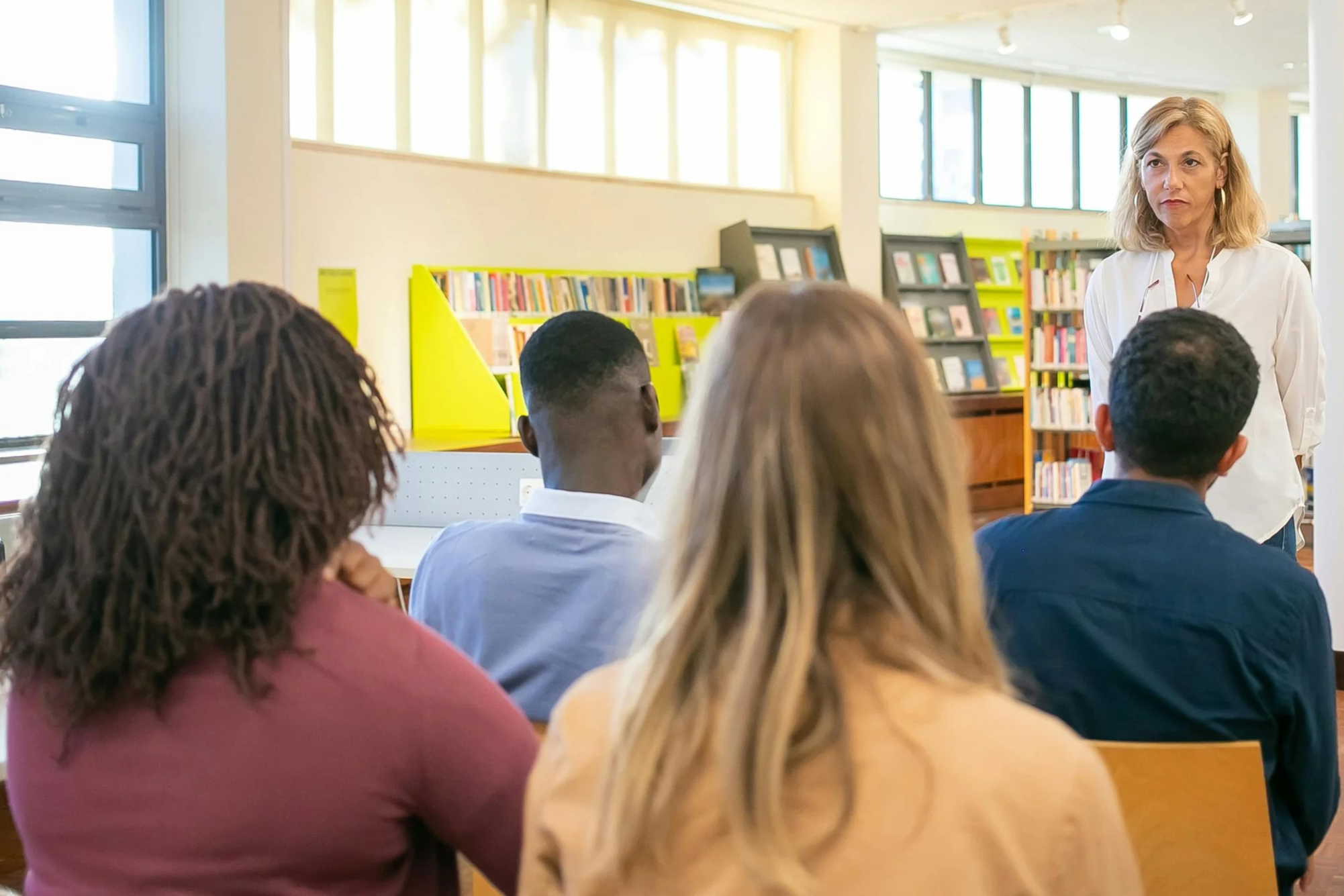
How can educators develop a curriculum that is inclusive of diverse cultural backgrounds?
Learn how to design a curriculum that reflects and respects diverse cultural backgrounds, promoting equity, inclusion, and student belonging.

What are the best practices for implementing MTSS to support student behavior?
Learn best practices for implementing MTSS to support positive student behavior through tiered interventions, collaboration, and data use.

What are the differences between differentiation and acceleration in educating gifted students?
Understand the key differences between differentiation and acceleration in gifted education and how each approach supports advanced student needs.

What are ways to celebrate and support multilingualism in the classroom?
Discover meaningful ways to support and celebrate multilingualism in your classroom, fostering inclusion, identity, and language pride.

What are common biases in student assessments and how can teachers avoid them?
Recognize common biases in student assessments and learn how teachers can ensure fair, equitable, and accurate evaluation practices.

How can general and special education teachers collaborate with specialists to support student learning?
Learn how general and special education teachers can work with specialists to develop and implement effective student support plans.

How can educators create inclusive classroom environments that support neurodiverse learners?
Design classroom experiences that support neurodiverse learners through flexible routines, accessible materials, and empathy-driven teaching.