How does representation in educational materials impact student learning and engagement?
Why Representation Matters in Classroom Materials
Every student brings their identity, culture, experiences, and perspective into the classroom, and students notice whether those things are reflected in what they see, read, and learn. When classroom materials include diverse voices, perspectives, cultures, and histories, students are more likely to feel recognized, respected, and connected to learning.
When representation is limited or one-sided, students may begin to feel disconnected from classroom content or uncertain about where their experiences fit within the learning environment.
Representation is an important part of creating inclusive learning experiences. It can influence student engagement, participation, confidence, and sense of belonging while helping classrooms reflect the diversity of the communities they serve.
What Do We Mean by Representation?
Representation in classroom materials refers to the inclusion of diverse identities, experiences, perspectives, and backgrounds within the content students interact with throughout the school day.
This may include representation related to:
Racial and ethnic backgrounds
Gender identities and expressions
Languages and cultures
Family structures and lived experiences
Disabilities and neurodiversity
Religious and spiritual traditions
Socioeconomic experiences and communities
Representation can appear in many forms, including:
Textbooks and classroom literature
Posters, displays, and visual materials
Videos, media, and digital resources
Math problems, science examples, and STEM activities
Historical narratives and social studies content
The goal is not simply to include diverse images or perspectives occasionally, but to create learning environments that reflect the complexity of the real world in thoughtful, accurate, and respectful ways. Meaningful representation helps students see that different experiences, cultures, and identities all have value within the classroom community.
Why Representation in Classroom Materials Matters
Representation in classroom materials can shape how students see themselves, how they relate to others, and how connected they feel to learning. When students encounter diverse perspectives and experiences in meaningful ways, classrooms often become more engaging, inclusive, and reflective of the world around them.
1. Representation Helps Students Feel Seen and Included
When students see people, cultures, languages, and experiences that reflect aspects of their own lives, it can strengthen their sense of belonging within the classroom community.
This may include:
Reading books with relatable characters or experiences
Learning about historical figures from diverse backgrounds
Seeing different family structures, abilities, and cultures represented in classroom visuals and discussions
Feeling recognized in classroom materials can help students develop confidence, connection, and a stronger sense of identity as learners.
2. Representation Can Increase Student Engagement
Students are often more engaged when learning feels meaningful and connected to the world around them. Diverse and inclusive materials can help students make personal connections to academic content, encouraging deeper participation and discussion.
For example, students may become more invested in reading, writing, or classroom conversations when texts and examples reflect a wider range of voices, experiences, and perspectives.
Representation can also encourage curiosity by helping students explore experiences beyond their own.
3. Representation Supports Learning and Academic Growth
Inclusive classroom materials can help expand background knowledge, strengthen comprehension, and make learning more accessible for a wider range of students.
When students regularly encounter diverse perspectives across subjects, they are exposed to:
Broader historical and cultural understanding
Different approaches to problem-solving and creativity
More opportunities to connect prior knowledge to new learning
Representation can also help students see themselves as capable contributors within academic spaces and future careers.
4. Representation Encourages Empathy and Broader Perspectives
Classroom materials influence how students understand the world and the people around them. Exposure to diverse stories, experiences, and viewpoints can help students develop empathy, respect, and stronger communication skills.
Inclusive materials can help students:
Consider perspectives different from their own
Challenge assumptions or stereotypes
Develop greater cultural awareness
Recognize the value of diverse experiences and contributions
These experiences support both academic learning and social growth.
5. Representation Reflects the Diversity of the Real World
Students learn in increasingly diverse communities and will continue interacting with people from different backgrounds throughout their lives. Classroom materials that reflect a variety of cultures, identities, experiences, and perspectives can help prepare students to participate thoughtfully in school, work, and society.
By engaging with diverse voices and ideas, students build communication skills, critical thinking, and a broader understanding of the world around them.
What Limited Representation Can Communicate
Classroom materials send messages about whose stories, perspectives, and experiences are recognized and valued within the learning environment. When representation is limited, incomplete, or consistently centered around only one group or perspective, some students may struggle to see how they connect to what they are learning.
Over time, this can affect:
Student engagement and participation
Sense of belonging within the classroom community
Confidence in academic spaces
How students view themselves and others
Students may begin to feel disconnected from classroom content when their identities, cultures, languages, or experiences are rarely reflected in books, examples, visuals, or discussions.
Limited representation can also narrow students’ understanding of the world by presenting only a small range of voices, experiences, or contributions. This can unintentionally reinforce stereotypes, oversimplify cultures, or leave important perspectives unexplored.
Creating more inclusive classroom materials is not about including every experience perfectly in every lesson. It is about building learning environments where students encounter a broader and more accurate reflection of the diverse communities and experiences that shape our world.
What Representation Can Look Like in Practice
Creating more inclusive classroom materials does not necessarily require an entirely new curriculum. Often, it involves being more intentional about whose voices, experiences, and perspectives are included throughout the learning environment.
Representation can be reflected in books, visuals, examples, classroom discussions, projects, and the everyday materials students interact with during instruction.
1. Review Classroom Materials with a Broader Lens
Educators can begin by looking closely at the materials already being used in the classroom, including books, displays, videos, historical examples, classroom libraries, and digital resources.
Questions to consider might include:
Which perspectives and experiences are most visible?
Are a variety of cultures, identities, and communities represented?
Do students encounter people from different backgrounds in a range of roles and experiences?
Are stories and examples presented in thoughtful and authentic ways?
This process can help identify opportunities to broaden representation across subjects and grade levels.
2. Include Diverse Voices, Stories, and Perspectives
Representation is most meaningful when students encounter diverse perspectives regularly rather than occasionally. Classroom materials can include books, articles, media, and examples that reflect a wide range of identities, experiences, and communities.
For example, educators may choose materials that:
Feature diverse protagonists, authors, and creators
Reflect multilingual and multicultural experiences
Include individuals with disabilities in meaningful and multidimensional roles
Highlight a variety of family structures and community experiences
Introduce students to voices and perspectives from different regions and cultures
The goal is to create learning experiences that feel authentic, balanced, and connected to the diversity of the real world.
3. Extend Representation Across All Subject Areas
Representation is not limited to literature or social studies. Students benefit from seeing diversity reflected across all areas of learning, including science, mathematics, technology, art, music, and physical education.
This may include:
Highlighting scientists, inventors, artists, and leaders from diverse backgrounds
Including culturally varied names, settings, and experiences in math or problem-solving activities
Exploring artistic and musical traditions from multiple cultures and regions
Discussing contributions from people with different perspectives and lived experiences across disciplines
Integrating representation across subjects helps normalize diversity as part of everyday learning rather than a separate topic.
4. Create Opportunities for Student Voice and Identity
Students also contribute to representation through the stories, experiences, languages, and perspectives they bring into the classroom. Learning environments become more inclusive when students have opportunities to share and connect their identities to classroom learning.
Educators might:
Invite students to share books, traditions, or cultural experiences
Encourage multilingual expression and communication
Include student-created work in classroom displays and learning activities
Create assignments that allow students to connect learning to their own experiences and communities
These practices help students feel valued as active contributors to the classroom community.
5. Build Connections with Families and Communities
Families and local communities can provide valuable perspectives, experiences, and cultural knowledge that enrich classroom learning. Collaboration with families can help create stronger connections between school, culture, and community.
This may include:
Inviting guest speakers or community members into the classroom
Incorporating local history, traditions, or community experiences into lessons
Including family perspectives and languages within classroom activities and materials
These partnerships can help create more meaningful and connected learning experiences for students.
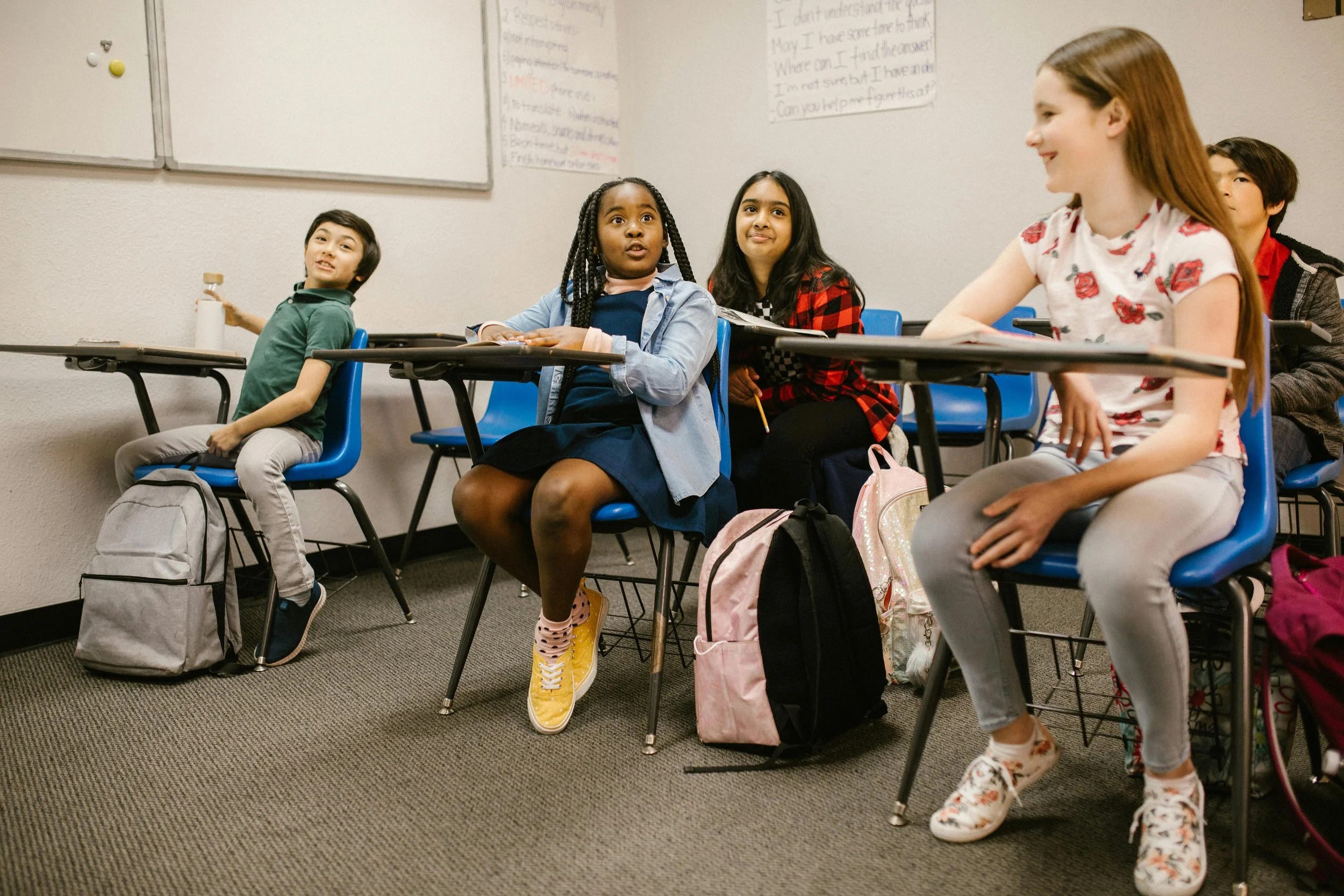
When classroom materials include diverse voices, perspectives, cultures, and histories, students are more likely to feel connected to learning.
School and Leadership Support Matter
Creating inclusive and representative learning environments is not solely the responsibility of individual teachers. Meaningful representation is often strongest when schools and districts work together to support inclusive practices across classrooms, curriculum decisions, and school culture.
School leaders can help create these conditions by providing educators with the time, resources, and support needed to thoughtfully review and expand classroom materials.
Examples of schoolwide support may include:
Expanding classroom libraries and instructional resources to include a wider range of voices and perspectives
Reviewing curriculum materials for balance, accuracy, and inclusivity
Providing professional learning focused on culturally responsive teaching and inclusive instructional practices
Encouraging collaboration among educators when selecting texts, examples, and classroom materials
Creating school environments where student identities, cultures, languages, and experiences are reflected throughout the year
When representation is supported at the classroom, school, and community level, students are more likely to experience learning environments that feel welcoming, engaging, and connected to the diverse world around them.
Creating Classrooms Where Students Feel Connected
The materials students encounter each day help shape how they see themselves, others, and the world around them. When classrooms include diverse voices, perspectives, and experiences in meaningful ways, students are more likely to feel connected, engaged, and valued as learners.
Thoughtfully inclusive materials help create learning environments that reflect the diversity, complexity, and humanity of the communities students are part of every day.
Looking for Ready-to-Use Resources?
If you found this article helpful, you may also enjoy the classroom toolkits, e-books, templates, and educator resources available in the Collective Learning Shop.