What are the benefits and challenges of implementing a flipped classroom model?
Flipped Classrooms: Are They Worth It?
The traditional model of lecture in class and homework at home is being flipped, literally. In a flipped classroom, students learn new content at home (often through video, readings, or interactive modules) and use class time for application, discussion, and support.
While the concept isn’t new, its implementation has surged in recent years, particularly with the rise of 1:1 devices, video-based instruction, and personalized learning platforms. But is it really worth the shift and what does it take to do it well?
Here’s what educators, leaders, and families need to know about the benefits, challenges, and training needs of the flipped classroom model.
What Is a Flipped Classroom?
A flipped classroom reverses the traditional learning cycle:
Traditional:
In class: Teacher delivers instruction
At home: Students complete assignments to reinforce the lesson
Flipped:
At home: Students engage with content (videos, readings, etc.)
In class: Students apply knowledge through discussions, problem-solving, labs, or projects, with teacher guidance
The core idea: Free up class time for deeper learning, not passive listening.
Benefits of the Flipped Classroom Model
1. More Time for Active Learning
Flipping the classroom turns class time into a lab for thinking, collaboration, and exploration.
Problem-based learning
Real-time feedback and reteaching
Small group work
Socratic discussions
Students engage more when they’re “doing,” not just “receiving.”
2. Supports Differentiation and Equity
Students can pause, rewind, or rewatch lessons, ideal for:
English Language Learners
Students with IEPs or learning differences
Those who need more time to process
Content becomes more accessible and personalized, on the student’s own time.
3. Boosts Student Agency and Accountability
Flipped learning encourages students to take responsibility for their own preparation and progress.
Builds independence and time management
Promotes reflective learning
Teaches self-regulation skills
Students show more ownership over their learning journey.
4. Improves Classroom Relationships
With lecture time moved out, teachers can work more closely with students during class.
Targeted small group instruction
Peer mentoring
1:1 check-ins
More connection, more coaching, more clarity, when students need it most.
Challenges of Flipped Classrooms
1. Training and Planning Time
Most educators don’t receive formal training in flipped instruction. Challenges include:
Choosing or creating engaging video content
Managing accountability for at-home learning
Redesigning lesson structures
Solution: Districts must provide PD, sample flipped units, and tech integration support.
2. Digital Access and Equity
Not all students have reliable access to Wi-Fi or devices at home.
Learning gaps may widen without access solutions
Students may skip prep work and fall behind
Solution: Offer offline versions, school-loaned devices, or “flipped stations” for in-school viewing.
3. Student Readiness and Habits
Not all students know how to manage self-paced learning.
Inconsistent prep undermines classroom activities
Others struggle to understand independently
Some skip the videos
Solution: Start slow, with modeling, reflection, and built-in supports (notes, quizzes, video guides).
4. Teacher Role Shift Requires Mindset Change
Instructors must transition from lecturer to facilitator, a shift that can be uncomfortable without support.
More flexible, student-centered planning
New classroom management dynamics
Requires trust in students
Solution: Coaching, mentorship, and collaborative planning are key.
What Teachers Need to Succeed
Professional Development Must Include:
How to create or curate engaging video content
How to structure flipped lesson plans and assessments
How to support students in becoming self-directed learners
How to monitor and respond to data from at-home engagement
Tools That Help:
Edpuzzle – Embed quizzes in videos to track comprehension
Loom / Screencastify – Easy teacher-made videos
Google Classroom / Canvas – Streamline content delivery and feedback
Padlet – Student reflections, questions, and discussions
Start with one unit, one subject, or one day a week to test the model.
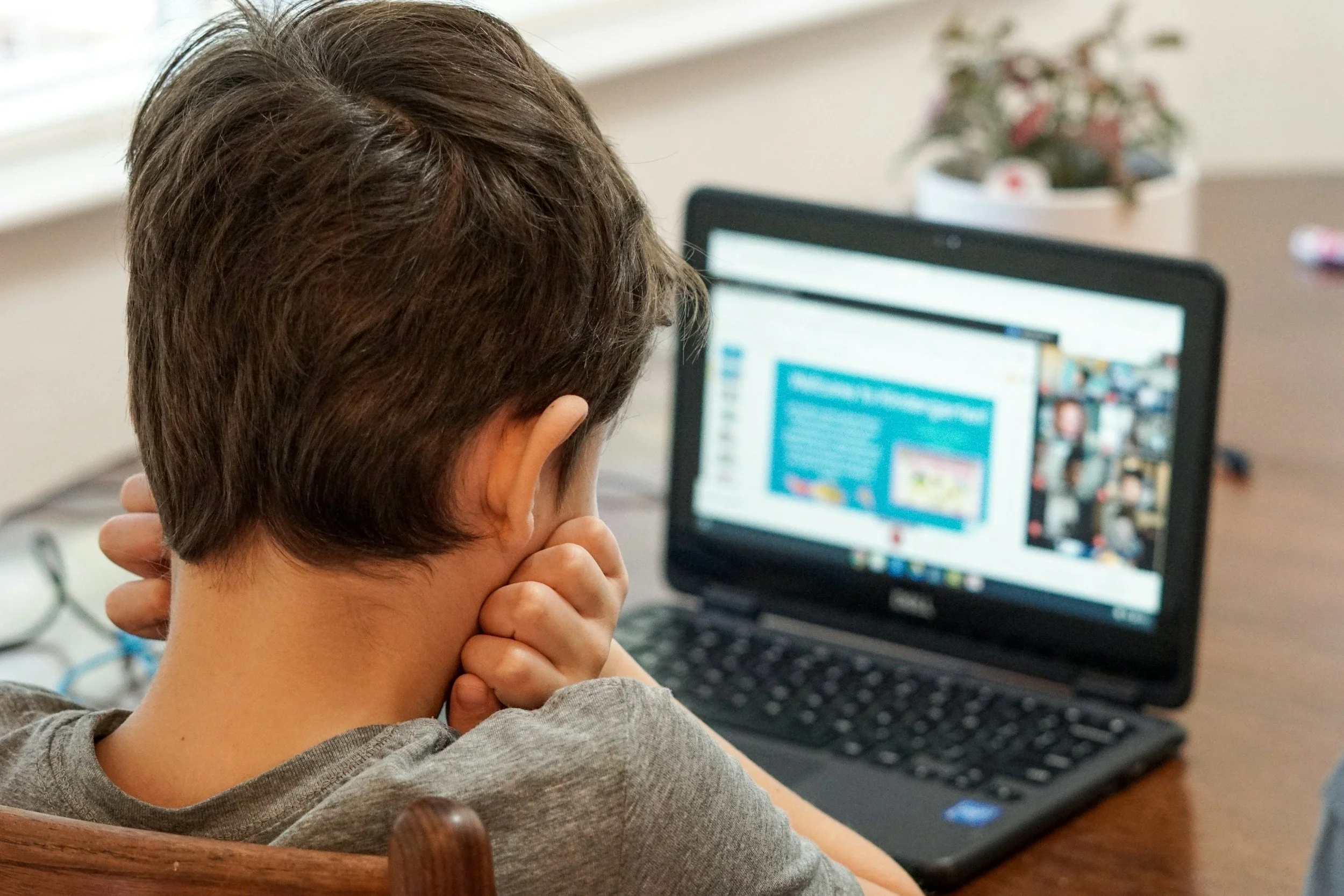
In a flipped classroom, students learn new content at home (often through video, readings, or interactive modules) and use class time for application, discussion, and support.
Flipped Learning Is Worth It With the Right Support
Flipped classrooms take preparation, strategy, and a strong support system, but the payoff is meaningful: deeper engagement, stronger relationships, and more responsive teaching. If we want classrooms that are more student-centered, flexible, and active, the flipped model is a smart way forward. Just remember, it’s not about flipping the whole classroom overnight, it’s about flipping your thinking, one lesson at a time.
Looking for Ready-to-Use Resources?
If you found this article helpful, you may also enjoy the classroom toolkits, e-books, templates, and educator resources available in the Collective Learning Shop.