How can artificial intelligence support more personalized learning pathways for students?
Using AI to Create Adaptive Learning Paths
As classrooms become increasingly diverse, many educators are looking for ways to better support students with different learning needs, skill levels, interests, and pacing. Traditional one-size-fits-all instruction can make it difficult to provide the level of personalization many students need to stay engaged and continue making progress.
Artificial intelligence (AI) is beginning to offer new possibilities for creating more adaptive and responsive learning experiences. When used thoughtfully, AI tools can help educators identify learning gaps, adjust instruction, provide targeted practice, and support students at varying levels without replacing the essential role of the teacher.
Rather than removing human connection from education, AI has the potential to give teachers more flexibility and insight so they can focus more intentionally on relationship-building, small-group instruction, feedback, and individualized support.
Understanding how AI can support adaptive learning pathways begins with looking at how these tools respond to student needs, personalize instruction, and support educators in the classroom.
What Is an Adaptive Learning Path?
An adaptive learning path is a personalized approach to instruction that adjusts based on a student’s progress, needs, strengths, and level of understanding over time. Instead of every student moving through the exact same lessons at the same pace, adaptive learning systems help create more flexible pathways that respond to individual learning patterns.
AI-supported platforms can analyze information such as:
current skill levels and knowledge gaps
accuracy and completion patterns
pacing and progress over time
areas where students may need additional practice or support
readiness for more advanced content
Based on this information, students may receive different learning activities, review opportunities, instructional supports, or levels of challenge depending on what they need at that moment.
The goal is not to replace teacher instruction or create completely individualized classrooms for every student. Instead, adaptive learning tools can help educators provide more targeted support while giving students opportunities to learn at a pace that better matches their needs.
How AI Powers Adaptive Learning
AI-supported learning platforms can help educators respond more quickly and intentionally to student needs by identifying patterns in performance and adjusting learning experiences over time.
Depending on the platform, AI tools may help:
identify skill gaps or areas where students need additional support
recommend practice activities based on student performance
adjust difficulty levels as students progress
provide immediate feedback during learning activities
suggest review opportunities before students fall significantly behind
help educators monitor growth and engagement more efficiently
As students interact with lessons, quizzes, assignments, or digital activities, the system can continue adapting recommendations based on ongoing progress. For example, a student who quickly masters a concept may move to more advanced work, while another student may receive additional review, guided practice, or scaffolded support before moving forward.
In many ways, adaptive learning systems function like flexible learning guides, helping students move through content with support that is more responsive to their individual progress rather than following a completely fixed pace for every learner.
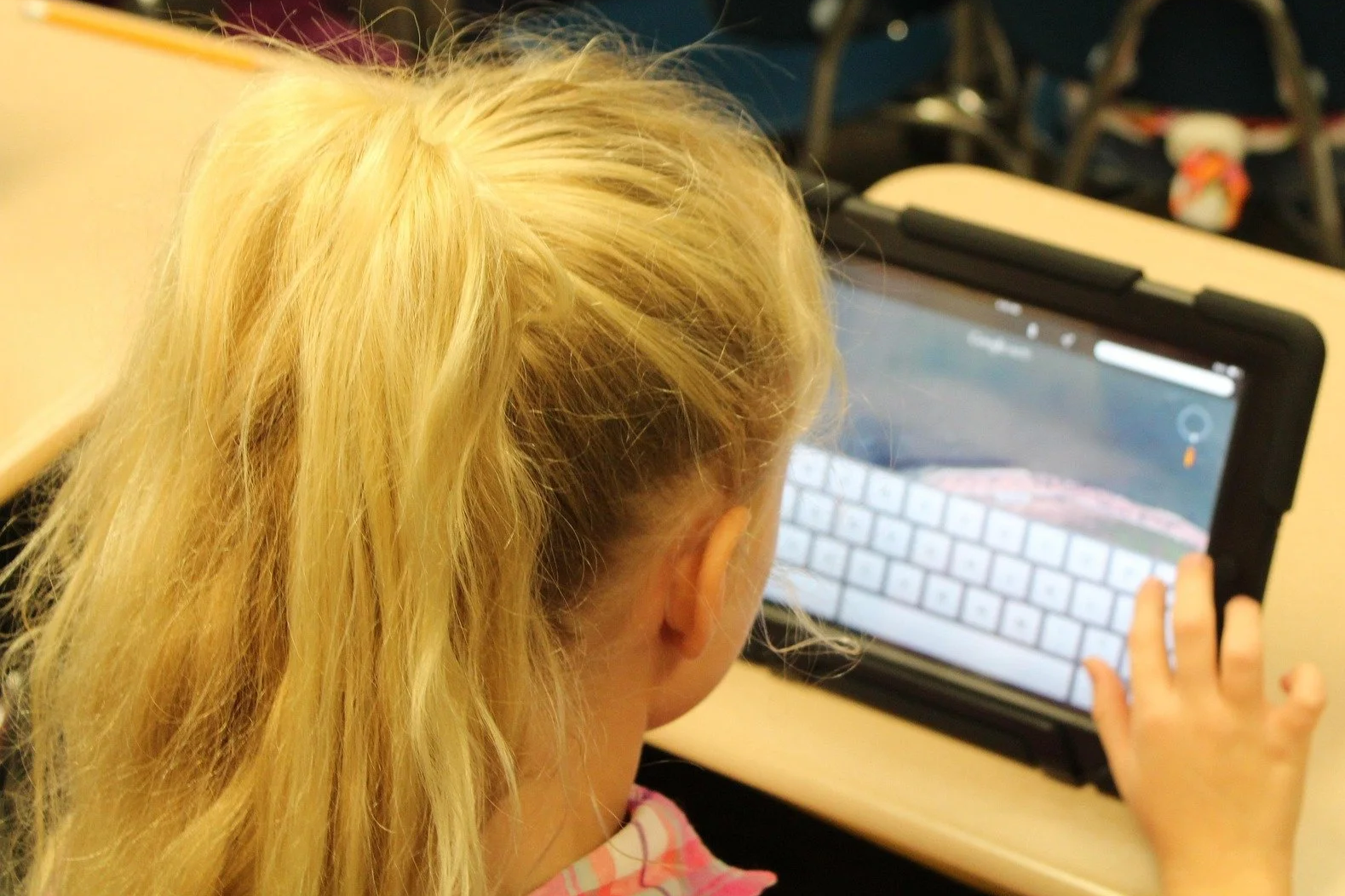
AI tools are being used in smaller, more targeted ways to support differentiation, intervention, feedback, and flexible pacing.
4 Practical Ways AI Creates Adaptive Learning Paths
AI-supported adaptive learning can take many forms in the classroom. While the technology itself may work behind the scenes, the goal remains the same: helping students receive more personalized support, practice, feedback, and opportunities for growth.
1. Personalized Skill Practice in Math and Literacy
Many adaptive learning platforms adjust lesson difficulty and practice activities in real time based on student performance. Programs such as DreamBox, Freckle, and i-Ready are designed to help students work at levels that better match their current understanding.
For example:
a student struggling with fractions may receive additional visual models, guided review, or game-based practice
a student who demonstrates mastery may move more quickly into enrichment or advanced problem-solving activities
This type of flexibility can help reduce both frustration and boredom by providing support that is more responsive to individual learning needs.
2. Intelligent Tutoring and Guided Support
Some AI-supported tools function similarly to virtual tutoring systems by providing hints, prompts, feedback, and guided support during learning activities.
For example:
a writing platform might identify repetitive sentence structure or passive voice and suggest revisions
a coding platform may detect logic errors and guide students toward problem-solving rather than simply providing the answer
a language-learning tool may adjust vocabulary practice based on student progress and accuracy
These supports can help students receive immediate guidance while continuing to work independently and build confidence.
3. Real-Time Feedback and Formative Assessment
One of the most valuable aspects of AI-supported learning tools is the ability to provide faster feedback during the learning process.
AI systems may help educators:
identify misconceptions earlier
monitor patterns in student understanding
recommend reteaching resources or targeted practice
provide immediate responses during assignments or practice activities
Instead of waiting several days for feedback, students may receive guidance while concepts are still fresh, making it easier to correct misunderstandings before they become larger learning gaps.
4. Supporting Diverse Learning Needs
Adaptive learning tools can also help create more flexible learning experiences for students with varying academic, language, and accessibility needs.
Depending on the platform, supports may include:
text-to-speech or speech-to-text tools
translated directions or vocabulary supports
pacing adjustments for review or acceleration
scaffolded reading supports
multimodal content such as visuals, audio, or interactive activities
These features can help students access instruction in ways that feel more supportive, personalized, and responsive to their individual learning needs while still maintaining high expectations for learning.
Supporting Adaptive Learning With AI
AI-supported adaptive learning tools can help create more responsive and personalized learning experiences for students while also giving educators additional insight into student progress and needs.
Some potential benefits include:
increased engagement through instruction that better matches student readiness levels
opportunities for students to move at a pace that supports both challenge and confidence
faster identification of learning gaps or misconceptions
more targeted intervention and enrichment opportunities
improved access to supports for diverse learners
data and progress-monitoring tools that can help inform instructional decisions
At the same time, successful implementation depends on how these tools are integrated into real classroom environments. AI works best when it supports, not replaces, strong teaching practices and meaningful human connection.
Educators still play the central role in:
building relationships with students
interpreting learning data within real classroom contexts
making instructional decisions based on student needs
providing emotional support, encouragement, and feedback
ensuring technology is used responsibly and appropriately
Schools and districts also need to consider factors such as student privacy, accessibility, teacher training, and realistic implementation goals. Starting with small pilot programs, clear expectations, and ongoing professional learning can help educators explore AI tools more effectively without overwhelming staff or students.
Ultimately, adaptive learning technology is most powerful when it is used as one part of a thoughtful, student-centered approach to teaching and learning.
What AI-Supported Adaptive Learning Can Look Like in Classrooms
AI-supported adaptive learning does not always mean fully automated instruction or students spending hours learning independently on screens. In many classrooms, AI tools are being used in smaller, more targeted ways to support differentiation, intervention, feedback, and flexible pacing.
For example, an elementary teacher might use an adaptive reading platform to provide students with practice activities aligned to their current reading levels. While some students receive additional fluency support, others may move into more advanced comprehension work without waiting for the rest of the class.
In a middle or high school math classroom, an adaptive platform may adjust problem difficulty based on student performance in real time. Students who need additional practice can receive guided review and scaffolded examples, while students demonstrating mastery can move into enrichment or more complex applications.
AI tools can also support writing instruction. A student working on an essay might receive immediate suggestions related to sentence clarity, organization, grammar, or revision opportunities before meeting with the teacher for deeper feedback and conferencing.
In many cases, the goal is not to replace teacher instruction, but to give educators additional flexibility and insight so they can spend more time supporting students individually, working with small groups, and responding to learning needs more efficiently.
Supporting Personalization Without Replacing Teachers
AI-supported adaptive learning has the potential to help educators create more flexible and responsive learning experiences for students. From targeted practice and real-time feedback to differentiated pacing and accessibility supports, these tools can make personalization more manageable in busy classrooms.
At the same time, meaningful learning still depends on strong teaching, human connection, thoughtful planning, and professional judgment. AI may help support instruction, but educators remain the people who build relationships, understand student needs, and create learning environments where students feel supported and challenged.
When used intentionally, adaptive learning tools can help schools move toward more personalized instruction while keeping students, not technology, at the center of the learning experience.
Looking for Ready-to-Use Resources?
If you found this article helpful, you may also enjoy the classroom toolkits, e-books, templates, and educator resources available in the Collective Learning Shop.